Complete WDIR Inspection Checklist: What Winston-Salem Home Buyers Need to Know
Buying a home in Winston-Salem is exciting, but before you sign the closing papers, there's one inspection you can't skip: the Wood Destroying Insect Report, or WDIR. North Carolina law requires this inspection for all residential real estate transactions. Understanding what it covers can save you thousands of dollars in unexpected repairs.
What Is a WDIR Inspection?
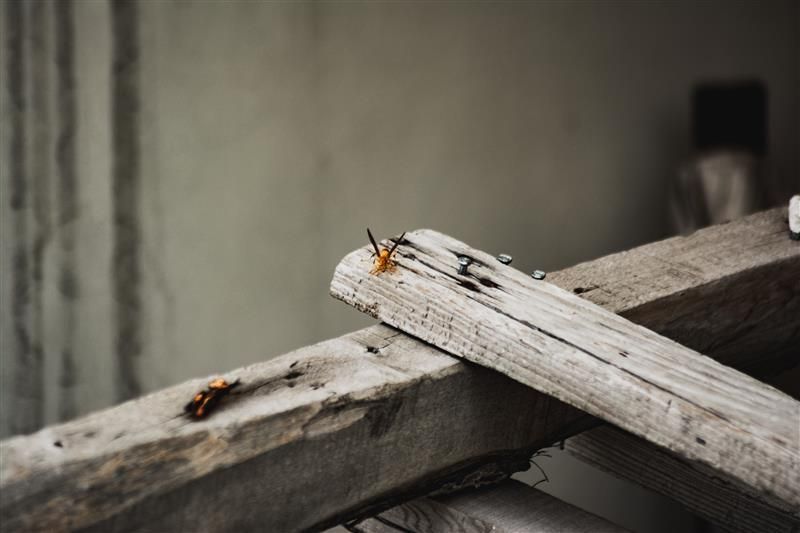
A WDIR inspection examines your property for any damage or active infestations caused by wood-destroying insects. Licensed pest control professionals look for evidence of termites, carpenter ants, powder post beetles and other insects that can compromise your home's structural integrity.
Inspectors do more than just look for bugs. They examine visible and accessible areas throughout the property: crawl spaces, basements, attics and exterior wooden structures. You'll get information about active infestations and previous damage that may have been treated or ignored.
Why WDIR Inspections Are Required in North Carolina
North Carolina's warm, humid climate is perfect for wood-destroying insects. Termites alone cause more than $5 billion in property damage across the United States each year. The Piedmont Triad region gets hit hard by these pests.
State law mandates WDIR inspections because these insects work silently. They often cause extensive damage before homeowners spot any signs. A professional inspection protects buyers from purchasing a property with hidden structural problems. It also gives sellers a chance to address issues before listing.
What Inspectors Look for During a WDIR Inspection
Inspectors search for several types of wood-destroying insects common to Winston-Salem.
Termites
Subterranean termites are the most common and destructive wood-destroying insects in North Carolina. Inspectors look for mud tubes along foundation walls and damaged wood that sounds hollow when tapped. Discarded wings near windows and doors are another red flag. Frass (termite droppings) resembles sawdust and shows up around active infestations.
Carpenter Ants
Large black ants that excavate wood to build their nests. They don't actually eat the wood, but they hollow it out. Inspectors check for smooth galleries in wood and piles of wood shavings mixed with insect body parts. The ants themselves often show up in areas with moisture damage.
Powder Post Beetles
Powder post beetles lay eggs in wood. Their larvae bore through it as they develop. Inspectors look for small, round exit holes in wood surfaces and fine, powdery frass around infested areas.
Wood-Boring Beetles
Several species of wood-boring beetles affect homes in Winston-Salem. Inspectors can identify them by their exit hole patterns, the type of frass they produce and which wood species they prefer.
Understanding Your WDIR Report
Your WDIR report identifies findings in three categories: active infestations, previous damage and conducive conditions.
Active infestations need immediate treatment. The report specifies which insects are present and how extensive the infestation is. Previous damage points to past problems that may or may not have been professionally treated. Inspectors note the location and severity of old damage so you can assess the property's history.
Conducive conditions are environmental factors that make your property vulnerable. Wood-to-ground contact is a common issue. Excessive moisture in crawl spaces, poor drainage and wood debris near the foundation also create problems. Fixing these conditions helps prevent future infestations even when no active problems exist.
What Happens If Issues Are Found?
Finding problems on a WDIR report doesn't kill the deal. You can negotiate with the seller to treat active infestations before closing. Or request a price reduction to cover treatment costs yourself. Some buyers ask the seller to complete repairs for previous damage.
Most buyers get a treatment estimate from a qualified pest control company. This gives you real numbers for negotiations. Some buyers also want a follow-up inspection after treatment to confirm the problem is resolved.
Your decision depends on the type of infestation and extent of damage. Minor issues might only need localized treatment. Extensive termite damage could mean structural repairs. Your real estate agent, home inspector and pest control professional can help you figure out the best approach. Some lenders require treatment before approving your mortgage if active infestations turn up.
Protect Your Investment With Professional WDIR Services
Ray's Pest Control has provided reliable WDIR inspections to Winston-Salem and the Piedmont Triad region for more than 50 years. As a family-owned, locally operated business, we know the pest challenges that affect North Carolina homes. Our state-certified technicians conduct thorough inspections and provide clear, detailed reports for your property purchase decisions.
We offer free assessments and guaranteed services. When you work with Ray's Pest Control, you get quality and integrity. Many of our customers have trusted us since our founding. Contact us today to schedule your WDIR inspection and protect your home-buying investment.
Frequently Asked Questions
How long does a WDIR inspection take?
Most WDIR inspections take between 45 minutes and two hours, depending on the size of the property and accessibility of crawl spaces and other areas. Inspectors need time to thoroughly examine all visible and accessible wooden structures.
How much does a WDIR inspection cost in Winston-Salem?
WDIR inspection costs vary based on property size and complexity. Contact Ray's Pest Control for a free assessment and accurate quote for your specific property.
How long is a WDIR report valid?
In North Carolina, WDIR reports are typically valid for 90 days from the inspection date. If your closing is delayed beyond this period, you may need a new inspection.
Can I use my own pest control company for the WDIR?
Yes, but the inspector must be licensed by the North Carolina Department of Agriculture and Consumer Services. Ray's Pest Control maintains all required certifications and has decades of experience conducting WDIR inspections throughout the Piedmont Triad region.
Ready to work with Ray's Pest Control & Wildlife Removal?
Let's connect! We’re here to help.
Send us a message and we’ll be in touch.
Or give us a call today at (336) 722-1307
Agency Contact Form
More Marketing Tips, Tricks & Tools